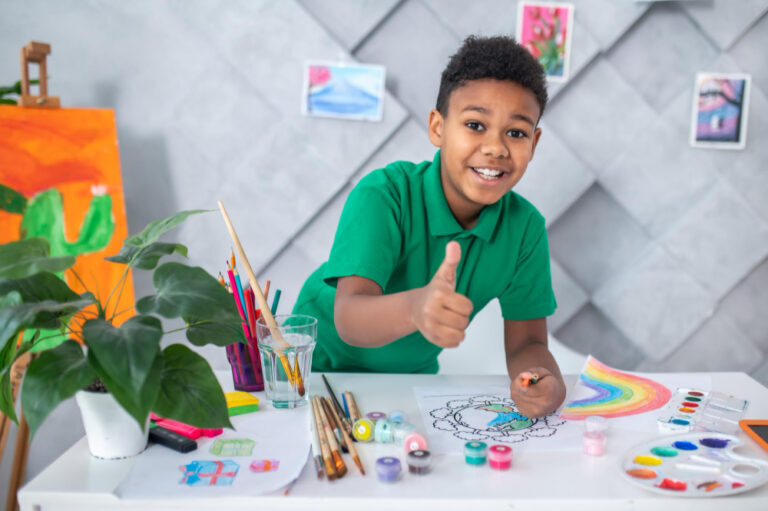
Children are naturally curious, and learning thrives when it taps into that curiosity. Across classrooms worldwide, educators are discovering that hands-on, play-based learning is far more than a fun diversion; it’s a cornerstone of cognitive and emotional development. When children manipulate objects, experiment with materials, or engage in guided discovery activities, they do more than learn facts; they develop problem-solving skills, critical thinking, and a sense of independence.
Research supports this approach. Studies indicate that children exposed to experiential learning at an early age demonstrate stronger attention spans, improved memory retention, and heightened creativity. Activities such as building blocks, interactive puzzles, or exploring sensory materials provide children with opportunities to think, make decisions, and understand cause-and-effect relationships in ways that rote memorization cannot.
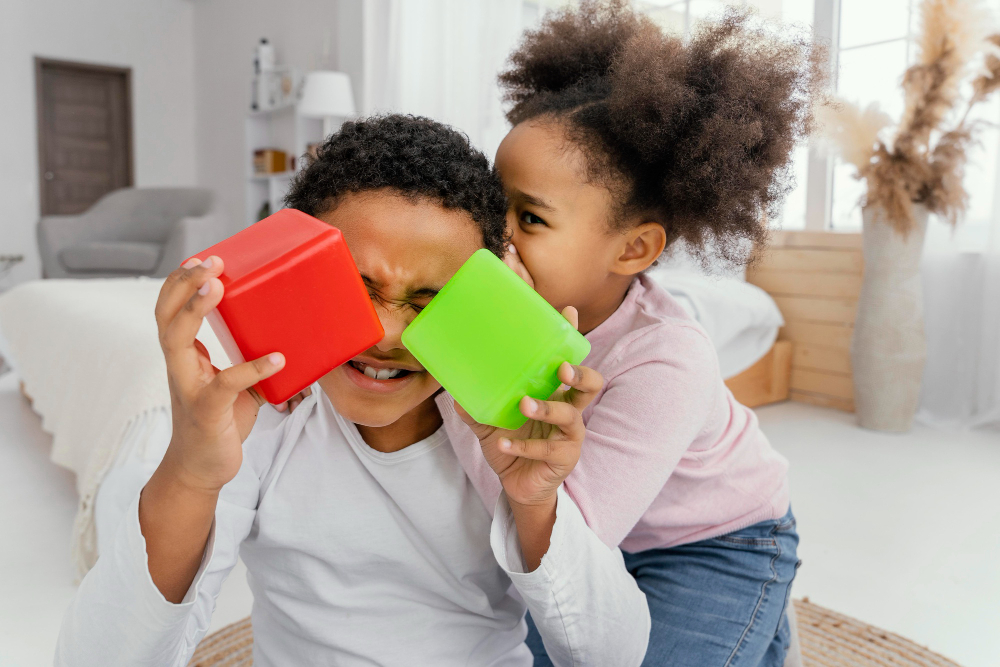
What makes hands-on learning especially powerful is its ability to integrate multiple developmental domains simultaneously. While building a tower from blocks, a child is not only learning spatial reasoning but also practicing patience, collaboration, and planning. Structured play encourages children to ask questions, make hypotheses, and test solutions skills that foster lifelong curiosity. Parents and educators alike have observed that children who engage in hands-on learning develop a more confident, independent approach to challenges, carrying these abilities into later academic and life experiences.
By emphasizing exploration over instruction and curiosity over compliance, hands-on learning transforms education into an adventure. It reminds us that the most meaningful learning often happens when children are free to explore, experiment, and play and that cultivating curiosity today builds innovators and critical thinkers for tomorrow.